Добро пожаловать Shandong Yijin Cnc Machine Tool Co., Ltd. Веб - сайт


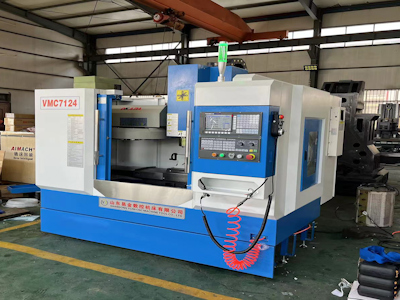
В мире энергетики и добычи ресурсов произошёл настоящий прорыв. Революционная технология бурения не просто улучшила процессы – она перевернула всё с ног на голову. От традиционных методов, которые были медленными, дорогими и экологически вредными, мы перешли к эре инноваций, где автоматизация, точность и устойчивость стали ключевыми словами. Эта технология не только повысила эффективность добычи нефти и газа, но и открыла новые горизонты для освоения ранее недоступных месторождений. В этой статье мы подробно рассмотрим, как эта инновация изменила отрасль, её преимущества, вызовы и будущие перспективы.
Бурение как процесс существует тысячелетия. Ещё в древности люди использовали простые инструменты для создания скважин в поисках воды или соли. Однако настоящая революция началась в XIX веке с появлением первых нефтяных скважин. Методы были грубыми: ручной труд, низкая точность и высокие риски для рабочих. С течением времени технологии эволюционировали – от ударного бурения к вращательному, что позволило углубляться в земную кору. Но даже в XX веке процессы оставались дорогостоящими и неэффективными. Например, традиционное бурение часто приводило к потерям ресурсов и экологическим катастрофам, таким как разливы нефти. Переломный момент наступил с развитием компьютерных технологий и материаловедения в конце XX – начале XXI веков. Именно тогда появились первые системы автоматизированного бурения, которые использовали данные в реальном времени для оптимизации процессов. Это положило начало новой эре, где революционная технология бурения стала синонимом прогресса.
Что же делает эту технологию такой особенной? Во-первых, это интеграция передовых датчиков и систем мониторинга. Современные буровые установки оснащены тысячами сенсоров, которые отслеживают всё: от давления и температуры до геологических formation. Эти данные передаются в реальном времени на центральные серверы, где алгоритмы искусственного интеллекта анализируют их и вносят коррективы в процесс бурения. Это позволяет избежать ошибок, таких как отклонение от траектории или повреждение equipment. Во-вторых, использование новых материалов, например, композитов и сверхпрочных сплавов, сделало буровые инструменты более durable и efficient. Они могут выдерживать экстремальные условия, включая высокие давления и температуры на больших глубинах. В-третьих, автоматизация и робототехника сократили необходимость в человеческом вмешательстве, что повысило безопасность и снизило costs. Вместо десятков workers на площадке теперь достаточно нескольких операторов, контролирующих процесс удалённо. Это не только экономит ресурсы, но и минимизирует риски для personnel.
Внедрение революционной технологии бурения принесло огромные выгоды для нефтегазовой индустрии. Прежде всего, это значительное увеличение эффективности добычи. Традиционные методы могли занимать месяцы или даже годы для достижения target depth, в то время как новые технологии сокращают это время до недель. Например, горизонтальное бурение и multistage fracturing позволили извлекать больше ресурсов из одного месторождения, повышая recovery rates до 60-70% compared to 20-30% в прошлом. Это directly impacts profitability, reducing operational costs and increasing output. Кроме того, точность бурения уменьшает environmental footprint. Меньше пробуренных скважин means less land disturbance and lower emissions. Also, advanced sealing techniques prevent leaks, protecting ecosystems. For companies, this means compliance with stricter environmental regulations and enhanced corporate reputation. In terms of safety, automation has drastically reduced accident rates. Historical data shows that human error was a major cause of incidents; now, with machines handling most tasks, the number of injuries has dropped significantly. This not only saves lives but also reduces insurance and liability costs.
Одним из самых впечатляющих аспектов революционной технологии бурения является её positive impact on the environment. В прошлом бурение ассоциировалось с загрязнением: разливы нефти, выбросы метана и destruction of habitats. Однако новые методы address these issues head-on. For instance, closed-loop systems recycle drilling fluids, minimizing waste and preventing contamination of groundwater. Additionally, real-time monitoring allows for immediate detection of anomalies, such as pressure buildups that could lead to blowouts, enabling preventive measures before disasters occur. This proactive approach has made operations much cleaner. Moreover, the ability to drill multiple wells from a single pad reduces the surface area needed, preserving natural landscapes. In regions like the Arctic or deep ocean, where ecosystems are fragile, this technology is crucial for responsible resource extraction. Furthermore, by increasing efficiency, it reduces the overall carbon footprint per barrel of oil extracted. This aligns with global efforts to combat climate change and transition to more sustainable energy sources. Companies are now investing in carbon capture and storage integration with drilling operations, showcasing how innovation can drive environmental stewardship.
Экономически революционная технология бурения изменила правила игры. Она democratized access to resources, making previously uneconomical fields viable. For example, shale formations in the United States became profitable due to advances in hydraulic fracturing and horizontal drilling, leading to the shale revolution that transformed the country into a net exporter of oil and gas. This shift altered global energy markets, reducing dependence on OPEC and increasing energy security for many nations. On a macroeconomic level, lower production costs have stabilized oil prices, benefiting consumers and industries worldwide. Investment in drilling technology has also spurred job creation in high-tech sectors, such as engineering, data analysis, and robotics, though it has reduced demand for manual labor. However, the overall net effect is positive, with increased GDP contributions from energy sectors. In developing countries, adoption of these technologies can accelerate economic growth by unlocking domestic resources. Yet, it also raises challenges, such as the need for significant capital investment and potential market volatility. Nonetheless, the long-term trend points towards sustained economic benefits driven by efficiency gains.
Несмотря на многочисленные преимущества, революционная технология бурения сталкивается с challenges. Одним из основных является высокая initial cost. Внедрение advanced equipment и training personnel требует substantial investment, что может быть barrier для smaller companies или developing countries. Кроме того, технология зависит от reliable data и connectivity, что problematic в remote areas with poor infrastructure. Cybersecurity risks also emerge, as automated systems are vulnerable to hacking, which could lead to operational disruptions or safety hazards. Ещё одним ограничением является regulatory hurdles. Governments worldwide are still adapting to these innovations, and permitting processes can be slow, delaying projects. Environmental concerns persist too; although technology reduces impacts, it doesn't eliminate them entirely. For example, fracking has been linked to seismic activity in some regions, prompting public opposition. Finally, there's a skills gap – the industry needs more professionals trained in new technologies, which requires time and resources to address. Overcoming these challenges will be key to maximizing the potential of revolutionary drilling.
Looking ahead, the future of drilling technology is bright with ongoing innovations. One exciting trend is the integration of artificial intelligence and machine learning for predictive maintenance and optimization. AI can analyze historical data to forecast equipment failures or optimize drilling paths in real-time, further increasing efficiency. Another area is the development of autonomous drilling rigs that can operate with minimal human oversight, potentially even in harsh environments like deep sea or space exploration. Nanotechnology is also gaining traction, with nanomaterials being used to create stronger, lighter drill bits that can penetrate harder rock formations. Additionally, there's a push towards green drilling – using renewable energy sources to power operations, such as solar or wind, to reduce carbon emissions. In the longer term, we might see the emergence of quantum computing applications for simulating complex geological structures, enabling unprecedented precision. These advancements will continue to reshape the industry, making drilling faster, cheaper, and more sustainable. As global energy demands grow, such innovations will be essential for meeting needs without compromising the planet.
В заключение, революционная технология бурения действительно изменила всё. Она transformed нефтегазовую отрасль от slow and risky endeavor к high-tech, efficient, and sustainable operation. Её impact ощущается across economics, environment, and society, driving progress and opening new possibilities. While challenges remain, the trajectory is clear: innovation will continue to push boundaries, making resource extraction smarter and cleaner. As we move forward, embracing these technologies will be crucial for energy security and environmental protection. The revolution in drilling is not just about better tools; it's about a fundamental shift in how we interact with our planet's resources, promising a brighter future for all.
 1388xx888xx