Добро пожаловать Shandong Yijin Cnc Machine Tool Co., Ltd. Веб - сайт

В современном мире обрабатывающая промышленность переживает беспрецедентную трансформацию, и в центре этой революции находятся CNC-технологии. CNC, или числовое программное управление, представляет собой не просто технологический инструмент, а фундаментальный сдвиг в том, как мы проектируем, производим и инноваруем. Уже сегодня эти системы не только оптимизируют производственные процессы, но и открывают двери к новым возможностям, делая будущее промышленности доступным в настоящем. В этой статье мы глубоко погрузимся в мир CNC, исследуя его историю, принципы работы, преимущества, вызовы и то, как он уже сегодня формирует ландшафт global manufacturing.
Обрабатывающая промышленность всегда была двигателем экономического прогресса. Еще в древности люди использовали простые инструменты для создания предметов первой необходимости, но настоящий прорыв произошел с промышленной революцией XVIII века. Введение паровых двигателей и механизированных станков позволило массово производить товары, снизив затраты и увеличив доступность. Однако даже с этими достижениями производство оставалось largely ручным, зависящим от навыков операторов, что ограничивало точность и воспроизводимость.
В середине XX века на сцену вышло числовое программное управление (CNC). Первые системы CNC были разработаны в 1940-х и 1950-х годах, вдохновленные need for более точного производства в аэрокосмической и военной отраслях. Например, MIT в США сыграло ключевую роль в создании первых CNC-станков, которые использовали перфокарты для управления движениями инструментов. Это был гигантский скачок от ручного управления к automated processes, где машины могли выполнять complex задачи с минимальным human intervention.
С течением decades, CNC-технологии эволюционировали от простых систем на основе бумажных лент до sophisticated компьютерных интерфейсов. В 1970-х годах появление микропроцессоров и персональных компьютеров революционизировало CNC, сделав его более доступным и powerful. Сегодня, с интеграцией искусственного интеллекта, IoT и облачных вычислений, CNC-системы стали неотъемлемой частью Industry 4.0, предлагая беспрецедентные уровни автоматизации, гибкости и эффективности. Этот исторический путь показывает, как CNC не только адаптировалось к меняющимся technological landscape, но и actively формировало его, делая будущее обрабатывающей промышленности реальностью уже сегодня.
At the heart of CNC-технологий лежит simple yet powerful принцип: использование computerized instructions для управления machinery. В отличие от traditional станков, где оператор manually adjusts settings, CNC-станки полагаются на pre-programmed software, которая диктует every movement инструмента. Это достигается через G-код, стандартный language для CNC programming, который содержит commands для перемещений, скоростей и других параметров.
Процесс начинается с проектирования детали в CAD (Computer-Aided Design) software, где инженер создает digital model. Этот model затем преобразуется в CAM (Computer-Aided Manufacturing) software, которая генерирует G-код based on the desired operations, such as milling, turning, or drilling. G-код загружается в CNC controller, который интерпретирует instructions и sends signals to motors and actuators, precisely moving the tool along multiple axes (e.g., X, Y, Z).
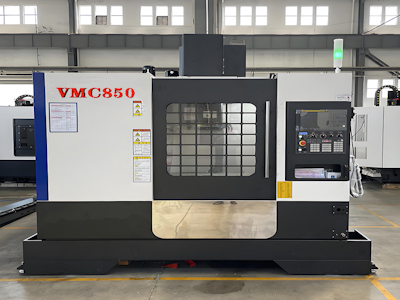
Key components CNC-системы включают: controller (мозг системы), drive system (приводы и motors), feedback devices (энкодеры для точности), и tooling (режущие инструменты). Современные CNC-станки often оснащены multi-axis capabilities (e.g., 5-axis milling), allowing for complex geometries that were previously impossible. Additionally, integration with sensors and AI enables real-time monitoring and adjustments, reducing errors and improving quality. This seamless blend of hardware and software makes CNC not just a tool, but a intelligent system that can learn and adapt, embodying the future of manufacturing in the present day.
Adoption of CNC-технологий brings a multitude of benefits that are already transforming the manufacturing industry. First and foremost, precision and accuracy are vastly improved. CNC machines can achieve tolerances within micrometers, reducing scrap rates and ensuring consistent quality across large production runs. This is crucial in industries like aerospace and medical devices, where even minor deviations can have serious consequences.
Secondly, automation leads to significant increases in productivity. CNC systems can operate 24/7 with minimal supervision, reducing labor costs and human error. They also allow for rapid prototyping and small-batch production, enabling manufacturers to respond quickly to market changes and customer demands. This flexibility is a key advantage in today's fast-paced economy, where customization and speed-to-market are competitive differentiators.
Moreover, CNC technologies enhance safety by minimizing direct human interaction with dangerous machinery. Operators can monitor processes remotely, reducing the risk of accidents. Additionally, energy efficiency is improved through optimized tool paths and reduced material waste, contributing to sustainability goals. From a economic perspective, the initial investment in CNC equipment is often offset by long-term savings in labor, material, and maintenance costs. These advantages collectively demonstrate how CNC is not just a future concept but a present-day reality that is already delivering tangible value to manufacturers worldwide.
Despite its many benefits, the widespread adoption of CNC-технологий faces several challenges. One of the primary obstacles is the high initial cost. CNC machines and the associated software can be expensive, making them inaccessible for small and medium-sized enterprises (SMEs) with limited budgets. This financial barrier can slow down the transition to automated manufacturing, particularly in developing regions.
Another challenge is the need for skilled personnel. Operating and programming CNC systems requires specialized knowledge in areas such as CAD/CAM, G-code, and machine maintenance. There is a global shortage of such talent, leading to a skills gap that can hinder implementation. Training programs and educational initiatives are essential to address this issue, but they take time and resources to develop.
Technical limitations also exist. For instance, CNC machines may struggle with very soft or very hard materials, and maintenance can be complex due to the sophisticated electronics involved. Additionally, cybersecurity risks are a growing concern, as connected CNC systems can be vulnerable to hacking, potentially disrupting production. However, ongoing advancements in technology, such as cloud-based solutions and AI-driven predictive maintenance, are helping to mitigate these challenges. By acknowledging and addressing these obstacles, the industry can continue to evolve, ensuring that CNC technologies remain at the forefront of manufacturing innovation.
To illustrate the impact of CNC-технологий, consider real-world examples from various industries. In the automotive sector, companies like Tesla use CNC machines for precision machining of battery components and body parts, enabling rapid iteration and high-volume production. This has allowed Tesla to maintain a competitive edge in the electric vehicle market.
In aerospace, Boeing and Airbus rely heavily on CNC for manufacturing complex turbine blades and structural components. The precision offered by CNC ensures that these critical parts meet stringent safety standards, reducing the risk of failures. Similarly, in the medical field, CNC is used to produce custom implants and surgical instruments, improving patient outcomes through personalized healthcare solutions.
Smaller businesses are also benefiting. For instance, a local job shop might use a CNC mill to create custom parts for clients, offering services that were previously only available to large corporations. Case studies show that adoption of CNC can lead to a 20-30% increase in productivity and a significant reduction in lead times. These examples underscore how CNC technologies are not just theoretical but are actively driving innovation and efficiency across diverse sectors, making the future of manufacturing a present-day reality.
The future of CNC-технологий is bright and filled with exciting possibilities. Integration with emerging technologies like artificial intelligence (AI) and the Internet of Things (IoT) will take automation to new heights. AI can optimize tool paths in real-time, predict maintenance needs, and even enable self-correcting machines that adapt to changing conditions without human intervention.
Additive manufacturing, or 3D printing, is another area where CNC is evolving. Hybrid machines that combine subtractive (e.g., milling) and additive processes are becoming more common, allowing for the creation of complex geometries with high precision. This convergence will revolutionize prototyping and production, reducing waste and expanding design possibilities.
Moreover, the rise of digital twins—virtual replicas of physical systems—will enable manufacturers to simulate and optimize processes before actual production, saving time and resources. As CNC systems become more connected through cloud computing, remote monitoring and control will become standard, facilitating global collaboration and supply chain integration. These trends indicate that CNC will continue to be a cornerstone of smart manufacturing, pushing the boundaries of what is possible and ensuring that the future is not just tomorrow's dream but today's achievement.
In conclusion, CNC-технологии уже сегодня являются катализатором transformation в обрабатывающей промышленности. От их скромного начала в mid-20th century до современной интеграции с AI и IoT, CNC доказало, что будущее manufacturing не где-то в далеком horizons, а здесь и сейчас. Преимущества в виде точности, эффективности и гибкости undeniable, и хотя challenges remain, ongoing innovations обещают further advancements.
Для компаний, adoption CNC-технологий — это не опция, а necessity для оставаться competitive в global market. Инвестируя в обучение, infrastructure и R&D, мы можем unlock полный потенциал этих systems, создавая more sustainable, productive и innovative промышленный landscape. Let us embrace this future today, leveraging CNC to build a better tomorrow for manufacturing and beyond.
 1388xx888xx