Добро пожаловать Shandong Yijin Cnc Machine Tool Co., Ltd. Веб - сайт

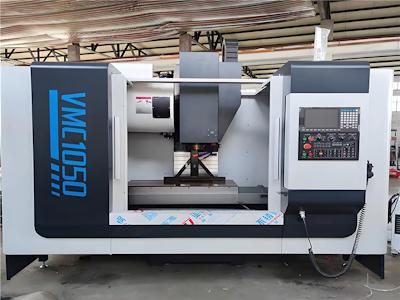
В современной промышленности обработка металлов играет ключевую роль, и выбор правильного оборудования может определить успех вашего производства. Крупные станки с ЧПУ (числовым программным управлением) предлагают высокую точность, эффективность и универсальность, но их выбор требует глубокого понимания технологии, потребностей производства и рыночных тенденций. В этой статье мы подробно разберем все аспекты выбора крупного станка с ЧПУ для металлообработки, от базовых принципов до продвинутых стратегий, чтобы помочь вам сделать информированное решение и избежать дорогостоящих ошибок.
Станки с ЧПУ revolutionized manufacturing by automating complex machining processes. For metalworking, they enable precise cutting, drilling, milling, and turning with minimal human intervention. Large CNC machines are essential for heavy-duty applications in industries like aerospace, automotive, and construction, where size and precision matter. Understanding the basics is the first step toward making an informed choice.
ЧПУ technology has evolved from simple NC (numerical control) systems to sophisticated computer-integrated solutions. Today's machines offer multi-axis capabilities, real-time monitoring, and integration with IoT for smart manufacturing. When selecting a large CNC machine, consider its core components: the control system, drive mechanisms, tool changers, and workholding devices. Each element impacts performance, so a holistic approach is crucial.
Investing in a large CNC machine is a significant capital expenditure, but it can yield high returns through increased productivity, reduced waste, and improved product quality. However, the market is flooded with options, from established brands like Haas, DMG Mori, and Mazak to emerging players. This guide will navigate you through the maze, ensuring you pick a machine that aligns with your specific metalworking needs.
The size of the CNC machine should match your workpiece dimensions. For large metal parts, such as those in shipbuilding or energy sectors, opt for machines with expansive work envelopes. Measure the maximum part size you intend to process and add a buffer for future projects. Remember, a machine that's too small will limit growth, while one that's too large may incur unnecessary costs.
Work envelope refers to the maximum travel in X, Y, and Z axes. For example, a large milling machine might have a work area of 2000mm x 1000mm x 800mm or more. Consider also the weight capacity of the table; heavy metals require robust support to prevent deflection during machining.
In addition to static size, think about dynamic performance. High-speed machines need stiff structures to handle accelerations without vibration. Look for machines with cast iron or polymer concrete bases for stability, especially in large formats where inertia can affect precision.
Accuracy and repeatability are paramount in metalworking. Accuracy refers to how close the machine can achieve the desired dimensions, while repeatability is the consistency of results over multiple cycles. For large CNC machines, thermal expansion, mechanical wear, and control system errors can degrade performance.
Choose machines with high-resolution encoders, linear scales, and compensation systems for thermal drift. Brands often provide specifications like positioning accuracy (e.g., ±0.005mm) and repeatability (e.g., ±0.002mm). Test these claims with real-world trials if possible, as lab conditions may not reflect your shop floor environment.
Environmental factors also play a role. Large machines are sensitive to temperature fluctuations and foundation vibrations. Install the machine on a stable, leveled floor and consider climate control in the workspace to maintain consistent performance.
Spindle power and speed determine the machine's ability to cut through tough metals. For large-scale metalworking, high torque at low speeds is essential for heavy cuts, while high speeds are needed for finishing operations. Look for spindles with power ratings from 10 kW to over 50 kW, depending on the material.
Spindle speed ranges vary; for example, a machine might offer 50-6000 RPM for milling steel or up to 20,000 RPM for aluminum. Variable frequency drives (VFDs) allow smooth speed adjustments. Also, consider the feed rates—how fast the tool moves—which should be optimized for material removal rates without compromising tool life.
Don't forget about the drive system. Ball screws or linear motors affect acceleration and deceleration. Linear motors offer higher speeds and accuracy but at a higher cost. Evaluate your production needs: high-volume jobs benefit from faster cycles, while custom work may prioritize precision over speed.
The CNC control system is the brain of the machine. Popular systems include Siemens Sinumerik, Fanuc, and Heidenhain. They differ in user interface, programming capabilities, and integration with CAD/CAM software. Choose a system that your operators are familiar with or plan for training.
Software compatibility is critical. Ensure the machine supports standard G-code and can interface with your existing CAD/CAM systems. Advanced features like adaptive control, tool management, and real-time monitoring can boost efficiency. For large machines, look for controls that handle complex multi-axis movements seamlessly.
Future-proofing is key. Select a control system with update capabilities and support for Industry 4.0 trends, such as data analytics and remote diagnostics. This can reduce downtime and enhance long-term productivity.
Tool changers automate the process of swapping cutting tools, reducing idle time. For large CNC machines, magazines with 20 to 100+ tools are common. Consider the speed of tool changes and the weight capacity for heavy tools used in metalworking.
Automation options like pallet changers or robotics can further increase uptime. Pallet systems allow loading and unloading while the machine is running, ideal for high-mix production. Evaluate the cost-benefit; automation adds expense but can pay off in reduced labor and higher output.
Tool life management is also important. Integrated systems monitor tool wear and automatically replace tools when needed, preventing defects and downtime. For hard metals like titanium or inconel, this is crucial to maintain quality.
Different metals require specific machine characteristics. Steel machining demands high rigidity and power, while aluminum benefits from high speeds and coolant systems. For exotic materials like composites or superalloys, consider machines with specialized spindles and冷却 systems.
Application-specific needs: If you're doing deep drilling or large-scale milling, look for machines with high torque and stability. For turning operations, a lathe with live tooling might be better than a milling machine. Hybrid machines that combine milling and turning are available for complex parts.
Also, think about the production volume. High-volume runs justify investments in faster, more automated machines, while low-volume or prototype work might focus on flexibility and ease of use.
Start by defining your requirements. What metals will you process? What are the typical part sizes and tolerances? How many parts per shift? Engage with your engineering and production teams to gather insights. Use this data to create a specification list that includes machine size, power, accuracy, and automation needs.
Consider future growth. If you plan to expand into new materials or larger parts, choose a machine that can be upgraded or has excess capacity. This avoids premature obsolescence and additional investments down the line.
Budget is a key constraint. Large CNC machines can cost from $50,000 to over $500,000. Factor in not only the purchase price but also installation, training, maintenance, and tooling costs. A total cost of ownership (TCO) analysis helps compare options objectively.
Research reputable brands. Top manufacturers include DMG Mori, Mazak, Haas, Doosan, and Hurco. Each has strengths; for example, DMG Mori is known for precision, Haas for affordability. Read reviews, visit trade shows, and talk to current users to get unbiased opinions.
Compare specifications side-by-side. Create a spreadsheet with columns for key parameters like work envelope, spindle power, control system, and price. This visual aid makes it easier to identify the best fit for your needs.
Don't overlook smaller or regional brands that might offer better value or localized support. However, ensure they have a track record of reliability and spare parts availability.
Arrange live demonstrations. Ask vendors to run test cuts on sample parts similar to your production work. This reveals real-world performance, including noise levels, chip management, and ease of operation.
Pay attention to the user interface. Is it intuitive? Can operators learn it quickly? Test the control system's response to programming changes and error handling.
Evaluate after-sales support. Check warranty terms, service availability, and response times. A machine is only as good as the support behind it, especially for large investments where downtime is costly.
Explore financing options. Many manufacturers offer leasing or loan programs that spread the cost over time. Calculate the return on investment (ROI) based on projected productivity gains, reduced scrap rates, and labor savings.
Consider hidden costs like energy consumption. Large CNC machines can be power-hungry; opt for energy-efficient models to lower operating expenses. Also, factor in maintenance contracts; preventive maintenance can extend machine life and prevent unexpected failures.
Negotiate with suppliers. Bundle purchases of multiple machines or accessories for discounts. Don't hesitate to ask for better terms; the market is competitive, and vendors may offer incentives to close deals.
One common mistake is underestimating space requirements. Large machines need ample room for operation, maintenance, and material handling. Measure your facility and plan for access ways and safety zones.
Another error is ignoring training needs. New technology requires skilled operators. Budget for training programs to ensure your team can maximize the machine's capabilities. Otherwise, you risk underutilization or errors.
Overlooking compatibility with existing equipment can lead to integration issues. Ensure the new machine works with your current tooling, software, and material handling systems. Pilot tests with small batches can reveal potential problems before full-scale implementation.
Lastly, rushing the decision. Take time to evaluate multiple options. Impulse buys often result in regret. Use the step-by-step process outlined above to make a methodical choice.
Choosing a large CNC machine for metal processing is a complex but rewarding endeavor. By focusing on size, accuracy, power, control systems, tooling, and application needs, you can select a machine that boosts your production效率和 quality. Remember to involve your team, test thoroughly, and plan for the long term.
Future trends include increased automation with AI and machine learning for predictive maintenance, as well as greener machines with lower energy consumption. Staying informed about technological advancements will help you make choices that keep your competitive edge.
In summary, invest wisely, and your large CNC machine will be a cornerstone of your metalworking success for years to come. If you need further assistance, consult with experts or attend industry workshops to stay updated.
Ключевой вывод: Выбор крупного станка с ЧПУ требует баланса между техническими характеристиками, бюджетом и будущими needs. Тщательное планирование и тестирование обеспечат оптимальные результаты.
 1388xx888xx