Добро пожаловать Shandong Yijin Cnc Machine Tool Co., Ltd. Веб - сайт

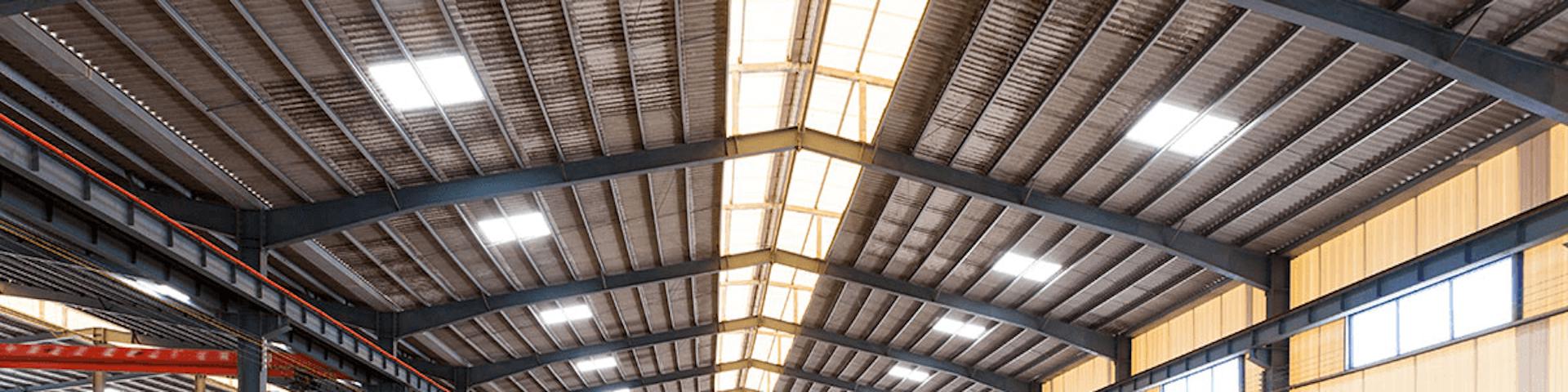
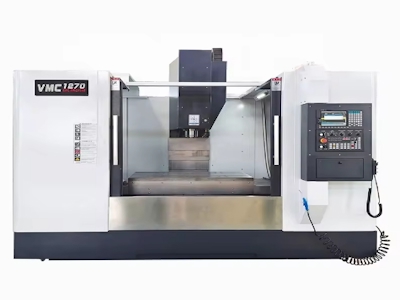
В современном мире промышленности металлообрабатывающее оборудование играет ключевую роль, определяя эффективность, качество и конкурентоспособность предприятий. С развитием технологий, такие машины стали не просто инструментами, а интеллектуальными системами, способными трансформировать производственные процессы. В этой статье мы подробно рассмотрим, как инновационное металлообрабатывающее оборудование может кардинально изменить ваше производство, повысить производительность, снизить затраты и открыть новые возможности для роста.
Металлообработка — это обширная область, охватывающая процессы резки, гибки, сварки, фрезерования и многих других операций с металлами. Традиционно эти процессы требовали значительных человеческих усилий, были медленными и подверженными ошибкам. Однако с появлением автоматизированного и компьютерного оборудования, всё изменилось. Сегодня предприятия могут использовать станки с ЧПУ (числовым программным управлением), лазерные резаки, роботизированные системы и аддитивные технологии, такие как 3D-печать металлом, чтобы достичь невероятной точности и скорости.
Например, рассмотрим типичный производственный цех прошлого: рабочие вручную управляли станками, что приводило к вариациям в качестве и длительным производственным циклам. Сейчас, с внедрением современного оборудования, один оператор может контролировать несколько машин одновременно, благодаря автоматизации. Это не только экономит время, но и снижает риск человеческой ошибки, обеспечивая стабильно высокое качество продукции.
Более того, глобализация и рост конкуренции вынуждают компании искать ways to optimize their operations. Металлообрабатывающее оборудование нового поколения предлагает решения, которые integrate IoT (Internet of Things) and data analytics, allowing for real-time monitoring and predictive maintenance. This means that potential issues can be identified and addressed before they cause downtime, further enhancing efficiency.
Чтобы понять, как это оборудование меняет производство, давайте углубимся в основные категории:
Станки с числовым программным управлением — это, пожалуй, самые revolutionary tools in metalworking. Они используют компьютерные программы to control the movement of tools, enabling precise cutting, milling, drilling, and turning operations. CNC machines can work with various metals, including steel, aluminum, and titanium, and are capable of producing complex geometries with tolerances as tight as a few micrometers.
Преимущества CNC equipment include high repeatability, reduced labor costs, and the ability to run 24/7 with minimal supervision. For instance, a CNC milling machine can produce hundreds of identical parts without deviation, which is crucial for industries like aerospace and automotive where precision is paramount. Additionally, modern CNC systems often come with software that allows for easy programming and simulation, reducing setup times and errors.
Consider a case study: a small manufacturing company upgraded to a CNC lathe and saw a 40% increase in production output while reducing scrap rates by 15%. This not only boosted their profitability but also allowed them to take on more complex orders that were previously impossible with manual equipment.
Лазерная и плазменная резка — это технологии, которые use focused energy beams to cut through metal with incredible speed and accuracy. Laser cutters employ a high-power laser to melt or vaporize material, while plasma cutters use a jet of ionized gas. Both methods are highly efficient for sheet metal processing and can handle materials up to several inches thick.
These machines are ideal for applications requiring intricate designs or high-volume production. For example, in the construction industry, laser cutters are used to create custom structural components with minimal waste. The precision of laser cutting reduces the need for secondary finishing operations, saving time and resources. Moreover, advancements in fiber laser technology have made these machines more energy-efficient and cost-effective, making them accessible to smaller businesses.
A real-world example: a metal fabrication shop integrated a fiber laser cutter and reduced their cutting time by 50% compared to traditional mechanical methods. This allowed them to meet tighter deadlines and expand their client base.
Гибка металла — это процесс придания metal sheets or bars specific shapes using press brakes or other forming machines. Modern bending equipment often features CNC controls, allowing for automated adjustments of bend angles and sequences. This ensures consistency and reduces the skill level required from operators.
These machines are essential in industries like automotive and appliance manufacturing, where components need to be formed accurately. With touch-screen interfaces and software integration, operators can quickly set up jobs and make changes on the fly. This flexibility is key to adapting to custom orders and small batch production, which is increasingly common in today's market.
For instance, a company producing metal enclosures for electronics switched to a CNC press brake and saw a 30% reduction in setup times. This improvement enabled them to respond faster to customer demands and reduce inventory costs by producing on-demand.
3D-печать металлом, или аддитивное производство, is a game-changer that builds parts layer by layer from metal powders using lasers or electron beams. This technology allows for the creation of complex, lightweight structures that are difficult or impossible to achieve with subtractive methods like machining.
Applications range from prototyping to full-scale production in sectors like medical implants and aerospace. For example, GE Aviation uses metal 3D printing to produce fuel nozzles for jet engines, which are lighter and more efficient than traditionally manufactured parts. The ability to produce on-demand reduces lead times and waste, aligning with sustainable manufacturing practices.
Adopting metal additive manufacturing can transform a business by enabling rapid innovation. A small design firm started using a metal 3D printer and was able to offer custom prototypes to clients within days instead of weeks, giving them a competitive edge.
Роботы are increasingly being integrated into metalworking processes for tasks such as welding, painting, and assembly. Robotic arms equipped with sensors and vision systems can perform repetitive tasks with high precision and speed, freeing up human workers for more complex activities.
Automation not only improves efficiency but also enhances safety by reducing exposure to hazardous environments. In welding, for instance, robots can consistently produce high-quality welds without fatigue, leading to fewer defects and rework. Collaborative robots (cobots) are also gaining popularity, as they can work alongside humans without the need for extensive safety barriers.
A manufacturing plant that implemented robotic welding cells reported a 25% increase in throughput and a significant reduction in injury rates. This investment paid off within a year through higher productivity and lower insurance costs.
Selecting the right metalworking equipment depends on various factors, including the type of products you make, production volume, budget, and available space. Here are some tips to guide your decision:
For example, if you're in the job shop business, investing in a versatile CNC mill might provide the flexibility to handle diverse projects. Conversely, a large automotive supplier might benefit from a fully automated production line with robots and integrated ERP systems.
To illustrate the impact, let's look at some success stories:
Case Study 1: A mid-sized metal fabrication company in Russia upgraded to a combination of CNC lasers and press brakes. Within six months, they increased output by 60% and reduced delivery times by 40%. Customers praised the improved quality, leading to a 20% growth in orders.
Case Study 2: An aerospace component manufacturer adopted metal 3D printing for prototyping and small batch production. This allowed them to test designs quickly and reduce material waste by 70%. They now offer faster turnaround times, attracting new clients from the defense sector.
These examples show that investing in modern metalworking equipment is not just about keeping up with technology—it's about driving tangible business results.
Металлообрабатывающее оборудование continues to evolve, with trends like AI integration, digital twins, and sustainable manufacturing shaping the future. Companies that embrace these innovations will be better positioned to thrive in a competitive landscape.
In summary, whether you're involved in cutting, bending, or additive manufacturing, modern equipment can revolutionize your production by enhancing precision, efficiency, and flexibility. By making informed choices and leveraging technology, you can transform your operations and achieve lasting success.
If you're ready to take the next step, explore our range of metalworking solutions and contact our experts for a personalized consultation. Together, we can build a production system that meets your goals and exceeds expectations.
 1388xx888xx