Добро пожаловать Shandong Yijin Cnc Machine Tool Co., Ltd. Веб - сайт


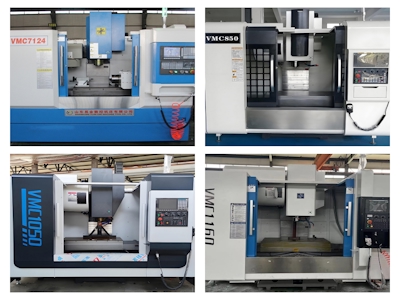
В современном мире обрабатывающей промышленности эффективность производства является ключевым фактором для достижения конкурентных преимуществ и устойчивого роста. Среди множества технологий и оборудования универсальные токарные станки занимают особое место, предлагая гибкость, точность и надежность в обработке металлов и других материалов. В этой статье мы подробно рассмотрим, как эти станки способствуют повышению эффективности производства, начиная с их основ и заканчивая будущими тенденциями.
Универсальные токарные станки – это машины, предназначенные для выполнения широкого спектра операций по обработке вращающихся заготовок, таких как точение, сверление, расточка и нарезание резьбы. Они отличаются от специализированных станков своей способностью адаптироваться к различным задачам, что делает их незаменимыми в мелкосерийном и серийном производстве. Исторически токарные станки эволюционировали от простых ручных устройств до сложных CNC (числовое программное управление) систем, интегрированных с современными технологиями.
Основные компоненты универсального токарного станка включают станину, шпиндель, суппорт, заднюю бабку и систему управления. Эти элементы работают в гармонии, обеспечивая высокую точность и повторяемость операций. Например, шпиндель удерживает заготовку и вращает ее с контролируемой скоростью, в то время как суппорт перемещает режущий инструмент для выполнения необходимых действий. Благодаря модульной конструкции, такие станки могут быть оснащены дополнительными приспособлениями, такими как патроны, центры и инструментальные держатели, что расширяет их функциональность.
В контексте повышения эффективности универсальные токарные станки играют crucial role, сокращая время обработки, минимизируя ошибки и позволяя быстро перенастраивать производство под новые изделия. Это особенно важно в условиях динамичного рынка, где спрос часто меняется, и компании должны быть agile и responsive.
Одним из главных преимуществ универсальных токарных станков является их versatility. Они могут обрабатывать различные материалы, включая сталь, алюминий, латунь и пластики, что делает их применимыми в множестве отраслей, от automotive до aerospace. Эта универсальность снижает необходимость в приобретении специализированного оборудования, что ведет к экономии капитальных затрат и упрощению логистики на производственной площадке.
Кроме того, современные универсальные токарные станки часто оснащены CNC системами, которые автоматизируют процессы и повышают точность. CNC управление позволяет программировать сложные операции, уменьшая человеческий фактор и associated errors. Это приводит к более высокому качеству продукции и сокращению брака, что напрямую влияет на общую эффективность производства. Исследования показывают, что внедрение CNC станков может увеличить производительность на 20-30% по сравнению с ручными методами.
Еще одно ключевое преимущество – снижение времени переналадки. Универсальные станки designed for quick changeovers, с возможностью быстрой смены инструментов и настройки параметров. Это позволяет производственным линиям быстро адаптироваться к новым заказам, минимизируя downtime и maximizing utilization. В эпоху just-in-time manufacturing, где запасы сводятся к минимуму, такая гибкость является invaluable.
Дополнительно, универсальные токарные станки способствуют energy efficiency. Многие современные модели incorporate energy-saving features, such as variable speed drives and optimized cooling systems, which reduce power consumption and operational costs. This not only benefits the environment but also improves the bottom line for businesses.
Технологический прогресс значительно enhanced возможности универсальных токарных станков. Одной из major innovations является integration of IoT (Internet of Things) and Industry 4.0 concepts. Современные станки equipped with sensors and connectivity features that enable real-time monitoring of performance parameters, such as temperature, vibration, and tool wear. This data can be analyzed to predict maintenance needs, prevent breakdowns, and optimize production schedules, leading to higher uptime and efficiency.
Another innovation is the development of multi-tasking machines that combine turning with milling, drilling, and other operations. These hybrid systems eliminate the need for multiple machine setups, reducing handling time and improving accuracy. For instance, a universal lathe with live tooling can perform secondary operations without removing the workpiece, which streamlines the production process and cuts cycle times by up to 50%.
Advancements in software have also played a pivotal role. CAD/CAM integration allows for seamless transition from design to production, with programs that simulate machining processes and generate optimal tool paths. This reduces programming time and minimizes trial-and-error, ensuring that parts are produced correctly the first time. Additionally, AI and machine learning algorithms are being incorporated to adaptive control, where the machine automatically adjusts cutting parameters based on real-time conditions, further enhancing efficiency and tool life.
Materials science has contributed to the durability and performance of lathes. The use of advanced materials for components, such as ceramic bearings and carbide tools, increases machine lifespan and allows for higher cutting speeds and feeds. This translates to faster production rates and lower long-term costs.
Investing in universal lathes can yield significant economic benefits. The initial cost of a high-quality universal lathe, especially a CNC model, might be substantial, but the return on investment (ROI) is often rapid due to increased productivity and reduced labor costs. Studies indicate that companies can recoup their investment within 1-3 years through savings in time, material, and energy.
Labor cost reduction is a major factor. Automated CNC lathes require fewer operators, and those needed are often skilled programmers rather than manual laborers, which can lead to lower wage expenses over time. Moreover, the consistency of automated processes reduces the need for rework and quality control inspections, saving additional resources.
Universal lathes also contribute to economies of scale. By enabling efficient small-batch production, they allow businesses to take on diverse orders without significant setup costs. This flexibility can open up new market opportunities and increase revenue streams. For example, a job shop using universal lathes can serve clients from various industries, from medical device manufacturers to automotive suppliers, diversifying risk and enhancing financial stability.
Maintenance costs are generally lower for modern universal lathes due to their robust design and predictive maintenance capabilities. With IoT integration, companies can schedule maintenance based on actual usage rather than fixed intervals, preventing unnecessary downtime and extending machine life. This proactive approach reduces repair costs and ensures continuous operation.
To illustrate the impact of universal lathes on production efficiency, consider real-world examples. In the automotive industry, companies like Toyota and Volkswagen use universal CNC lathes for machining engine components, such as crankshafts and camshafts. These machines allow for high-precision turning at high speeds, reducing production cycles and ensuring compatibility with strict quality standards. As a result, these manufacturers have reported up to 40% improvement in throughput after upgrading to advanced universal lathes.
In the aerospace sector, where components must meet rigorous specifications, universal lathes with 5-axis capabilities are employed for complex parts like turbine blades. A case study from Boeing showed that by implementing multi-tasking lathes, they reduced lead times by 30% and decreased material waste by 15%, contributing to overall cost savings and faster delivery times.
Small and medium-sized enterprises (SMEs) also benefit significantly. For instance, a metal fabrication shop in Germany adopted universal lathes with IoT features and saw a 25% increase in overall equipment effectiveness (OEE) within the first year. The ability to monitor machine health in real-time allowed them to avoid unplanned stoppages and optimize production schedules, leading to higher customer satisfaction and repeat business.
Another example comes from the medical industry, where precision is paramount. Companies producing surgical instruments use universal lathes to achieve micron-level tolerances. By integrating these machines into their production lines, they have minimized defects and accelerated time-to-market for new products, enhancing their competitive edge.
Looking ahead, the future of universal lathes is bright, with trends pointing towards greater automation, sustainability, and customization. The adoption of collaborative robots (cobots) that work alongside lathes for loading and unloading will further reduce manual intervention and increase efficiency. Additionally, advancements in additive manufacturing may lead to hybrid machines that combine turning with 3D printing, enabling the production of complex parts in a single setup.
Sustainability will become increasingly important. Future lathes will likely incorporate more eco-friendly materials and energy-efficient designs, aligned with global efforts to reduce carbon footprints. For example, the use of renewable energy sources to power machines and recycling of cutting fluids will become standard practices.
Customization and personalization will drive innovation. As consumer demand for unique products grows, universal lathes will need to support mass customization with quick changeovers and flexible programming. This will require continued software development and integration with digital twins for virtual testing and optimization.
In conclusion, universal lathes are indispensable tools for enhancing production efficiency. Their versatility, technological advancements, and economic benefits make them a wise investment for any manufacturing operation. By embracing these machines and staying abreast of emerging trends, companies can achieve higher productivity, reduce costs, and maintain a competitive advantage in the global market. The key to success lies in continuous training for operators, regular maintenance, and leveraging data-driven insights to optimize processes.
This article has explored the multifaceted role of universal lathes in boosting production efficiency. From their basic functions to futuristic innovations, it is clear that these machines will continue to evolve and play a critical role in the manufacturing landscape. As industries strive for greater agility and sustainability, universal lathes will remain at the forefront, driving progress and enabling businesses to thrive in an ever-changing environment.
 1388xx888xx