Добро пожаловать Shandong Yijin Cnc Machine Tool Co., Ltd. Веб - сайт

В современном мире промышленности точное производство играет ключевую роль в обеспечении высокого качества продукции, сокращении отходов и повышении общей эффективности. Выбор подходящего технологичного оборудования является фундаментальным шагом для достижения этих целей. Эта статья предоставляет всестороннее руководство по выбору оборудования, охватывая различные аспекты, от технических характеристик до экономических соображений.
Точное производство относится к процессам, которые требуют высокой степени точности и контроля, часто с использованием передовых технологий, таких как ЧПУ (числовое программное управление), робототехника и автоматизированные системы. Оно применяется в различных отраслях, включая аэрокосмическую, автомобильную, медицинскую и электронную промышленности. Основная цель — минимизировать ошибки, увеличить производительность и снизить затраты.
Выбор оборудования для такого производства — сложная задача, которая требует глубокого понимания производственных нужд, технических возможностей оборудования и рыночных тенденций. Неправильный выбор может привести к значительным финансовым потерям, задержкам в производстве и снижению конкурентноспособности.
При выборе технологичного оборудования для точного производства необходимо учитывать несколько важных критериев. Во-первых, точность и повторяемость: оборудование должно обеспечивать высокую точность обработки, с минимальными отклонениями. Это особенно важно для деталей с жесткими допусками.
Во-вторых, производительность: скорость работы оборудования напрямую влияет на общую эффективность производства. Следует оценить цикл времени, возможность интеграции в производственные линии и потенциал для масштабирования.
В-третьих, надежность и долговечность: оборудование должно быть robustным и способным работать в интенсивных условиях без частых поломок. Это снижает downtime и затраты на обслуживание.
Другие критерии включают гибкость (способность адаптироваться к различным задачам), энергоэффективность, стоимость владения (включая purchase price, maintenance, and operating costs), и поддержку со стороны производителя (такая как training, warranty, and spare parts availability).
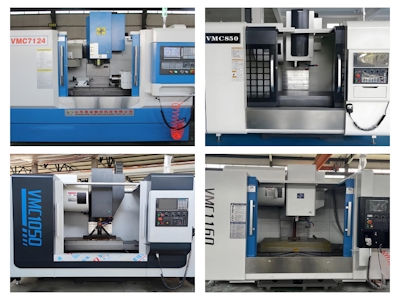
Существует множество типов оборудования, используемого в точном производстве. Например, станки с ЧПУ для механической обработки, которые позволяют выполнять сложные операции с высокой точностью. Роботизированные системы automate tasks such as assembly, welding, and painting, increasing consistency and reducing human error.
3D-принтеры и additive manufacturing machines enable the production of complex geometries that are difficult to achieve with traditional methods. Измерительное оборудование, такое как coordinate measuring machines (CMMs), ensures quality control by verifying dimensions and tolerances.
Additionally, there are specialized machines for specific industries, like lithography equipment for semiconductor manufacturing or CNC lathes for precision turning. Each type has its own advantages and limitations, and the choice depends on the specific application.
Эффективность оборудования зависит от множества факторов. Технические характеристики, such as spindle speed, tool capacity, and control systems, play a crucial role. For instance, higher spindle speeds in CNC machines allow for faster cutting and better surface finish.
Integration with other systems is also important. Equipment that can easily connect to enterprise resource planning (ERP) systems or manufacturing execution systems (MES) enhances data flow and improves overall efficiency.
Human factors should not be overlooked. Operator training and skill level can significantly impact equipment performance. Investing in training programs ensures that the equipment is used to its full potential.
Environmental factors, such as temperature and humidity control in the production area, can affect precision. Therefore, it's essential to consider the operating environment when selecting equipment.
Выбор оборудования involves significant financial considerations. The initial investment is just one part; total cost of ownership (TCO) includes maintenance, energy consumption, and potential upgrades. It's important to conduct a cost-benefit analysis to evaluate the return on investment (ROI).
Leasing or financing options may be available to spread the cost over time. Additionally, government incentives or subsidies for adopting advanced technologies can reduce the financial burden.
Consider the lifecycle of the equipment. Technology evolves rapidly, so choosing equipment that can be upgraded or has a long service life helps protect the investment.
To make an informed decision, start by clearly defining your production requirements. Conduct a thorough needs assessment to identify the specific tasks, volumes, and quality standards.
Research and compare different brands and models. Read reviews, attend trade shows, and consult with experts or other manufacturers in your industry.
Request demonstrations or trials of the equipment to see it in action. This hands-on experience can reveal practical issues that might not be apparent from specifications alone.
Negotiate with suppliers for better terms, such as extended warranties or training packages. Ensure that there is adequate technical support available post-purchase.
Finally, consider the future. Choose equipment that is scalable and compatible with emerging technologies to avoid obsolescence.
Выбор технологичного оборудования для точного производства — это многогранный процесс, требующий внимания к деталям и стратегического мышления. Путем тщательной оценки технических, экономических и operational factors, компании могут инвестировать в оборудование, которое enhances productivity, ensures quality, and drives long-term success. Remember, the right equipment is not just a tool; it's a cornerstone of competitive advantage in today's fast-paced industrial landscape.
 1388xx888xx