Добро пожаловать Shandong Yijin Cnc Machine Tool Co., Ltd. Веб - сайт


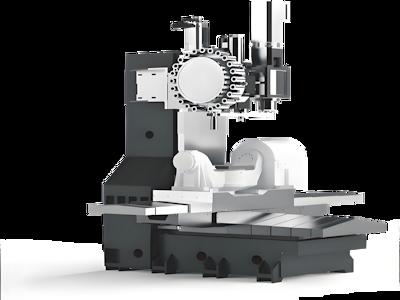
В современном мире технологии автоматизации становятся неотъемлемой частью нашей жизни, трансформируя промышленность, бизнес и повседневные процессы. С ростом цифровизации и инноваций, автоматизация помогает повысить эффективность, снизить затраты и улучшить качество продукции. В этой статье мы подробно рассмотрим самые актуальные технологии автоматизации, их применение, преимущества и вызовы, с которыми сталкиваются компании и общество.
Автоматизация – это процесс использования технологий для выполнения задач без прямого вмешательства человека. Она началась с промышленной революции, но сегодня охватывает широкий спектр областей, от производства до услуг. С развитием искусственного интеллекта (AI), интернета вещей (IoT) и робототехники, автоматизация стала более интеллектуальной и адаптивной. Это позволяет компаниям быстрее реагировать на изменения рынка и повышать конкурентоспособность.
В последние годы пандемия COVID-19 ускорила внедрение автоматизации, так как многие предприятия искали способы минимизировать человеческий контакт и обеспечить непрерывность операций. Согласно исследованиям, мировой рынок автоматизации растет со скоростью около 10% в год, и ожидается, что к 2030 году его объем превысит 500 миллиардов долларов. Это подчеркивает важность понимания текущих трендов и технологий.
Однако автоматизация не только приносит benefits, но и создает challenges, такие как потеря jobs и необходимость переобучения workforce. В этой статье мы also обсудим эти аспекты, чтобы предоставить balanced view. Мы начнем с обзора key технологий, затем углубимся в конкретные examples и закончим future prospects.
Среди множества технологий автоматизации, некоторые выделяются как наиболее влиятельные и перспективные. Вот основные из них:
Искусственный интеллект – это краеугольный камень современной автоматизации. AI позволяет системам обучаться на данных, принимать решения и выполнять сложные tasks без human intervention. Машинное обучение, подмножество AI, используется для predictive analytics, pattern recognition и optimization. Например, в manufacturing, AI-powered systems can predict equipment failures, reducing downtime and maintenance costs.
В сфере услуг, AI chatbots и virtual assistants automate customer support, handling up to 80% of inquiries without human involvement. This not only improves efficiency but also enhances customer experience by providing 24/7 service. Companies like Amazon and Google use AI for personalized recommendations, which drives sales and engagement.
Однако внедрение AI требует значительных investments in data infrastructure and expertise. Кроме того, ethical concerns, such as bias in algorithms, need to be addressed to ensure fair and transparent automation.
IoT refers to the network of physical devices connected to the internet, collecting and exchanging data. In automation, IoT enables real-time monitoring and control of processes. For instance, in smart homes, IoT devices like thermostats and lights can be automated based on user preferences, saving energy and improving comfort.
In industrial settings, IoT sensors on machinery provide data on performance and conditions, allowing for predictive maintenance. This reduces unexpected breakdowns and extends equipment life. According to estimates, IoT can increase productivity by up to 25% in manufacturing sectors.
Challenges with IoT include security risks, as connected devices can be vulnerable to cyber attacks. Ensuring robust cybersecurity measures is crucial for widespread adoption.
Робототехника has evolved from traditional industrial robots to collaborative robots (cobots) that work alongside humans. Cobots are designed to be safe and flexible, making them ideal for tasks that require precision and adaptability. In automotive industry, robots automate assembly lines, increasing speed and accuracy.
In healthcare, robotic surgery systems allow for minimally invasive procedures with higher precision. Service robots in hospitality and retail automate repetitive tasks like cleaning and inventory management.
The cost of robotics has decreased over time, making it more accessible to small and medium enterprises. However, integration with existing systems can be complex, and there is a need for training employees to work with robots.
Digital twins are virtual replicas of physical assets or processes, used for simulation and analysis. They allow companies to test scenarios and optimize operations without risking real-world resources. In aerospace, digital twins of aircraft engines help predict failures and plan maintenance.
In urban planning, digital twins of cities can simulate traffic flows and energy usage, aiding in sustainable development. This technology is becoming increasingly popular due to its ability to reduce costs and improve decision-making.
Implementing digital twins requires high computational power and accurate data, which can be a barrier for some organizations.
Blockchain technology, known for its use in cryptocurrencies, is also being applied to automation. It provides a decentralized and secure way to record transactions and automate processes through smart contracts. In supply chain management, blockchain can automate tracking of goods, reducing fraud and inefficiencies.
In finance, smart contracts automate payments and settlements, eliminating intermediaries and speeding up processes. This enhances transparency and trust in automated systems.
However, blockchain is still in early stages for widespread automation, and scalability issues need to be resolved.
Автоматизация находит применение в различных секторах, каждый из которых benefits from specific technologies. Рассмотрим некоторые key industries.
Промышленная автоматизация является одной из самых mature areas. Использование PLC (Programmable Logic Controllers), SCADA systems, and robotics has revolutionized production lines. For example, in automotive manufacturing, robots perform welding, painting, and assembly with high precision, reducing errors and increasing output.
Industry 4.0, the fourth industrial revolution, integrates AI, IoT, and cloud computing to create smart factories. These factories are highly automated and connected, enabling mass customization and just-in-time production. Companies like Siemens and Bosch are leaders in this field, implementing digital twins and AI for optimization.
The benefits include higher productivity, reduced labor costs, and improved quality. However, the initial investment is high, and there is a risk of job displacement for low-skilled workers.
В healthcare, automation improves patient care and operational efficiency. AI algorithms analyze medical images for early disease detection, while robotic assistants help in surgeries and rehabilitation. Electronic health records (EHR) systems automate data management, reducing administrative burdens.
Telemedicine platforms use automation to schedule appointments and provide remote consultations, especially during the pandemic. This increases access to healthcare, particularly in rural areas.
Challenges include data privacy concerns and the need for regulatory compliance. Additionally, automation must be designed to complement, not replace, human empathy in patient care.
Автоматизация в agriculture addresses challenges like labor shortages and climate change. Autonomous tractors and drones monitor crops, apply pesticides, and harvest produce. IoT sensors soil moisture and weather conditions, enabling precision farming.
AI-powered systems predict crop yields and optimize resource usage, reducing waste and increasing sustainability. This is crucial for feeding the growing global population.
Barriers to adoption include high costs for small farmers and the need for reliable internet connectivity in remote areas.
In retail, automation enhances customer experience and stream operations. Self-checkout kiosks, automated warehouses, and AI-driven inventory management reduce costs and improve efficiency. E-commerce giants like Amazon use robots in fulfillment centers to pick and pack orders quickly.
In logistics, autonomous vehicles and drones are being tested for delivery, promising faster and cheaper shipping. Blockchain technology automates supply chain tracking, ensuring authenticity and reducing delays.
However, automation in retail can lead to job losses in cashier and stocking roles, necessitating workforce retraining.
The financial sector leverages automation for risk management, trading, and customer service. Algorithmic trading uses AI to execute trades at high speeds, while chatbots handle routine inquiries. Robotic Process Automation (RPA) automates back-office tasks like data entry and compliance checks.
Blockchain and smart contracts automate settlements and reduce fraud. This increases transparency and reduces operational costs.
Risks include cybersecurity threats and the potential for algorithmic biases in decision-making. Regulators are closely monitoring these developments to ensure stability.
Автоматизация offers numerous benefits that drive its adoption across industries. Key advantages include:
These benefits contribute to economic growth and innovation, but they must be balanced with social considerations.
Несмотря на advantages, автоматизация presents several challenges that need to be addressed:
To mitigate these risks, governments and organizations must invest in education, cybersecurity, and ethical guidelines.
Будущее автоматизации looks promising, with emerging technologies like quantum computing and advanced AI set to further transform industries. We can expect more seamless integration between humans and machines, with augmented reality (AR) and virtual reality (VR) enhancing automation interfaces.
In the coming years, automation will likely focus on sustainability, helping address global challenges like climate change through smart energy management and resource optimization. Personalized automation, tailored to individual needs, will become more prevalent in consumer applications.
However, societal adaptation will be key. Education systems must evolve to prepare the workforce for new roles, and policies should ensure that the benefits of automation are distributed equitably.
В заключение, технологии автоматизации, такие как AI, IoT, роботизация и digital twins, являются highly актуальными и transformative. Они offer immense benefits in terms of efficiency, cost savings, and quality, but also pose challenges related to jobs, security, and ethics. As we move forward, a balanced approach that embraces innovation while addressing social impacts will be crucial for harnessing the full potential of automation.
Companies and governments must collaborate to create an ecosystem that supports continuous learning and inclusive growth. By doing so, we can ensure that automation serves as a tool for progress, enhancing human capabilities rather than replacing them.
Спасибо за reading этой статьи. Если у вас есть questions или comments, пожалуйста, свяжитесь с нами. Stay tuned for more insights on emerging technologies!
 1388xx888xx