Добро пожаловать Shandong Yijin Cnc Machine Tool Co., Ltd. Веб - сайт


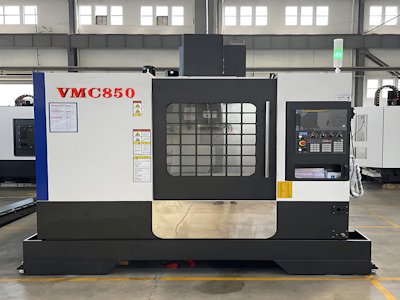
В современной промышленности автоматизация становится ключевым фактором для повышения эффективности, снижения затрат и увеличения конкурентоспособности. Однако многие предприятия сталкиваются с дилеммой: как внедрить новые технологии, не прерывая текущее производство? Ведь остановка линии может привести к значительным финансовым потерям, срыву сроков поставок и ухудшению репутации. В этой статье мы подробно рассмотрим стратегии и методы, которые позволяют осуществить автоматизацию без остановки производства, ответив на самые актуальные вопросы, волнующие руководителей и инженеров.
Автоматизация производственных процессов — это не просто тренд, а необходимость в эпоху цифровой трансформации. Она позволяет увеличить производительность, улучшить качество продукции и снизить зависимость от ручного труда. Но если автоматизация требует полной остановки линии, это может создать серьезные проблемы. Представьте себе: завод, который производит критически важные компоненты для автомобильной промышленности, вынужден остановиться на несколько недель. Это не только приведет к прямым убыткам из-за простоя, но и может вызвать цепную реакцию в供应链, afecting customers and partners. Therefore, the ability to automate without interruption is crucial for maintaining business continuity and competitiveness.
Moreover, in highly regulated industries such as pharmaceuticals or food processing, any unplanned stoppage can result in compliance issues and regulatory penalties. Thus, the question of how to automate without stopping production is not just about technology; it's about risk management, strategic planning, and operational excellence. In the following sections, we will delve into the practical aspects of this challenge, exploring step-by-step approaches, real-world examples, and future trends.
Один из главных вызовов — обеспечение безопасности. При внедрении новых автоматизированных систем, таких как роботы или IoT-устройства, необходимо гарантировать, что они не interfere with existing operations or pose risks to workers. For instance, integrating a robotic arm into an assembly line requires careful planning to avoid collisions or disruptions. Additionally, there is the challenge of data integration. Modern automation often relies on real-time data from sensors and control systems, but if the production line is running, how do we collect and process this data without causing delays or errors?
Another significant challenge is the financial aspect. Automating without stoppage might require additional investments in redundant systems or phased implementations, which can increase upfront costs. However, these costs are often offset by the avoided losses from production downtime. Furthermore, there is the human factor: training employees to work with new technologies while maintaining current productivity levels can be demanding. Staff may resist changes due to fear of job loss or lack of skills, so change management is essential.
To address these challenges, companies need to adopt a holistic approach that includes thorough risk assessment, pilot testing, and continuous monitoring. In the next section, we will discuss specific strategies that can help overcome these obstacles.
Одна из наиболее эффективных стратегий — поэтапное внедрение. Instead of attempting a full-scale automation overhaul at once, companies can start with non-critical sections of the production line. For example, automate a single station or process that has minimal impact on overall output. This allows for testing and refinement without risking major disruptions. Phased implementation also helps in managing resources and budgets more effectively.
Another key strategy is the use of modular and scalable technologies. Modern automation systems, such as those based on Industry 4.0 principles, are designed to be flexible and integrable. By choosing modular robots, IoT platforms, or cloud-based control systems, enterprises can add automation components incrementally. For instance, installing sensors to monitor equipment performance can be done during maintenance windows or off-peak hours, gradually building towards full automation.
Additionally, leveraging simulation and digital twins can play a crucial role. Before physical implementation, companies can use software simulations to model the automated processes and identify potential issues. This reduces the risk of errors during actual deployment. Digital twins—virtual replicas of physical assets—allow for real-time monitoring and optimization without interfering with production.
Collaboration with experienced automation partners is also vital. They can provide insights and best practices from similar projects, helping to navigate complexities. In the following paragraphs, we will explore these strategies in more detail with practical examples.
Industry 4.0, или Четвертая промышленная революция, brings forth technologies that are inherently designed for seamless integration. Internet of Things (IoT) devices, for example, can be deployed on running production lines to collect data on performance,能耗, and maintenance needs. These devices often operate wirelessly and can be installed without major disruptions. Data from IoT sensors can be analyzed using AI and machine learning to optimize processes in real-time, enabling predictive maintenance that prevents unplanned stoppages.
Cloud computing and edge computing are other enablers. By processing data at the edge (close to the source), companies can reduce latency and avoid overloading central systems, which is crucial when automating without stopping production. Cloud platforms allow for remote monitoring and control, facilitating gradual upgrades and updates.
Moreover, advanced robotics with collaborative capabilities (cobots) are designed to work alongside humans safely. Unlike traditional robots that require safety cages and complete isolation, cobots can be integrated into existing workflows with minimal changes. They can take over repetitive tasks while workers focus on more complex activities, all without halting production.
In summary, Industry 4.0 technologies provide the tools needed for a smooth transition to automation. They emphasize connectivity, flexibility, and intelligence, which are essential for maintaining continuous operations. As we move forward, these technologies will only become more accessible and effective.
Рассмотрим пример из automotive industry. A major car manufacturer wanted to automate its welding line to improve precision and speed. Instead of shutting down the line, they implemented a phased approach. First, they added robotic welders to one shift, while the other shifts continued manually. Over several months, they gradually expanded automation, using the data from the initial phase to optimize the process. This not only avoided production losses but also allowed workers to adapt gradually.
In the food and beverage sector, a company automated its packaging line without interruption by using modular conveyors and scanners. They installed new equipment during scheduled maintenance periods and conducted extensive testing during low-production hours. By leveraging IoT for real-time monitoring, they ensured that the new systems integrated smoothly with existing ones.
Another example comes from the pharmaceutical industry, where compliance is critical. A plant automated its quality control processes by introducing vision systems and AI-based inspection tools. These were integrated during off-hours and calibrated using historical data to minimize disruptions. The result was improved accuracy and throughput without any downtime.
These cases demonstrate that with careful planning and the right technologies, automation without stoppage is achievable across various sectors. The key is to start small, learn quickly, and scale intelligently.
Looking ahead, several trends will shape the future of automation without interruption. Artificial intelligence and machine learning will become even more integral, enabling self-optimizing systems that can adapt to changes in real-time. For example, AI algorithms could predict when a machine is likely to fail and schedule maintenance during natural breaks in production, thus avoiding unplanned stops.
5G technology will enhance connectivity, allowing for faster and more reliable data transmission between devices. This will support the deployment of more complex automation systems without latency issues. Additionally, augmented reality (AR) could be used for training and maintenance, allowing technicians to perform upgrades without shutting down equipment.
Sustainability will also play a role. As companies strive to reduce their environmental footprint, automation can help optimize energy use and waste reduction. For instance, smart systems can adjust production parameters based on real-time energy prices or availability, contributing to greener operations without interruptions.
In conclusion, the future of automation is dynamic and promising. By embracing these trends, businesses can not only automate without stopping production but also drive innovation and growth. The journey requires commitment, but the rewards in terms of efficiency, competitiveness, and resilience are substantial.
В этой статье мы рассмотрели ключевые аспекты автоматизации производственных линий без остановки производства. От стратегий поэтапного внедрения до технологий Industry 4.0 и реальных примеров — надеемся, что эта информация поможет вам успешно реализовать ваши проекты автоматизации. Если у вас остались вопросы или需要консультация, не стесняйтесь обращаться к экспертам. Автоматизация — это путь к будущему, и с правильным подходом оно может быть бесперебойным и profitable.
 1388xx888xx