Добро пожаловать Shandong Yijin Cnc Machine Tool Co., Ltd. Веб - сайт

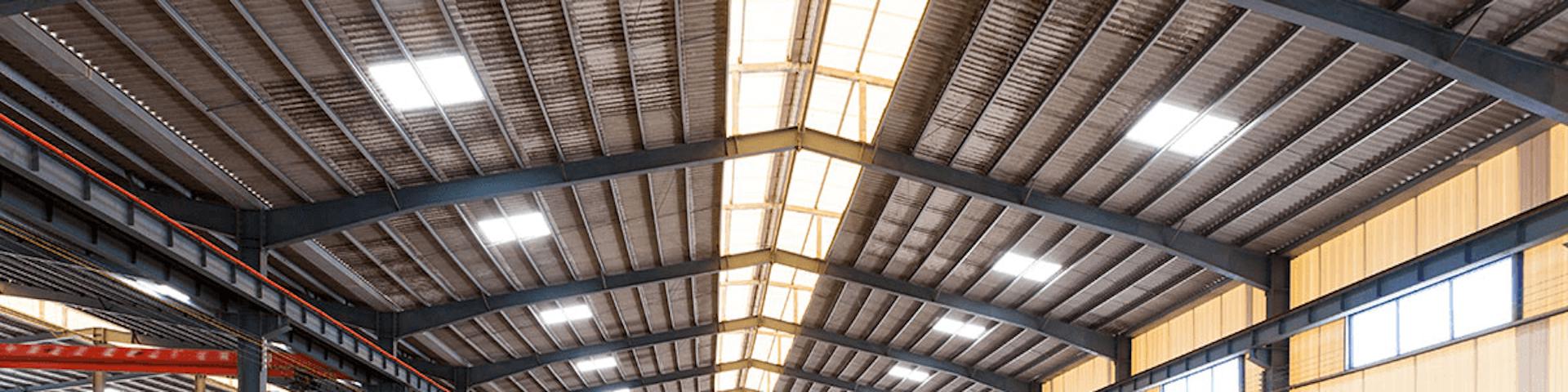
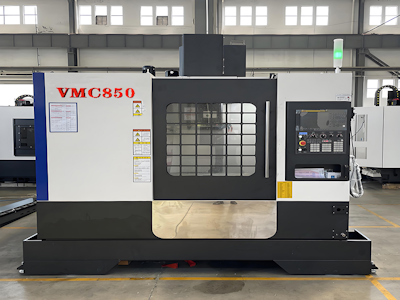
В современном мире промышленные машины стали неотъемлемой частью глобальной экономики, кардинально меняя то, как мы производим товары и услуги. От автоматизированных сборочных линий до умных фабрик, эти технологии не просто улучшают процессы — они буквально переворачивают индустрию с ног на голову, создавая новые парадигмы эффективности, устойчивости и инноваций. В этой статье мы глубоко погрузимся в эту революцию, исследуя ключевые аспекты, вызовы и будущее промышленных машин.
Промышленная революция 4.0, или Индустрия 4.0, представляет собой четвертую волну индустриальных изменений, характеризуемую интеграцией киберфизических систем, Интернета вещей (IoT), искусственного интеллекта (AI) и облачных вычислений в производственные процессы. Это не просто эволюция, а фундаментальный сдвиг, где машины становятся умнее, автономнее и более взаимосвязанными. Например, на заводах Siemens или General Electric, умные машины могут самостоятельно оптимизировать производство, предсказывать сбои и адаптироваться к изменениям спроса в реальном времени. Это переворачивает традиционные представления о индустрии, где человеческий труд был центральным, а теперь уступает место машинам, способным работать 24/7 без устали.
Несколько передовых технологий лежат в основе этой трансформации. Робототехника, например, эволюционировала от простых манипуляторов к collaborative robots (cobots), которые могут безопасно работать alongside humans. Additive manufacturing, или 3D-печать, позволяет создавать сложные детали on-demand, reducing waste and lead times. IoT sensors collect vast amounts of data from machines, enabling predictive maintenance and reducing downtime. Artificial intelligence algorithms analyze this data to make decisions, such as optimizing energy usage or customizing production lines. Cloud computing provides the infrastructure for storing and processing data, facilitating remote monitoring and control. Together, these technologies create a synergistic effect, making industrial machines more intelligent and efficient than ever before.
The integration of advanced industrial machines has led to dramatic improvements in efficiency and productivity. Studies show that smart factories can increase output by up to 30% while reducing costs by 20%. For instance, in the automotive industry, automated assembly lines can produce a car every few minutes, compared to hours in traditional setups. This not only boosts economic growth but also allows companies to respond faster to market changes. However, this comes with challenges, such as the need for skilled workers to manage these systems and the initial high investment costs. Despite this, the long-term benefits often outweigh the drawbacks, as evidenced by companies like Tesla, which has leveraged automation to scale production rapidly.
Industrial machines are also playing a crucial role in promoting sustainability. Energy-efficient motors, waste-reduction technologies, and circular economy models are becoming standard. For example, smart grids in manufacturing facilities can optimize energy consumption based on real-time demand, reducing carbon footprints. Additive manufacturing minimizes material waste by building objects layer by layer, unlike subtractive methods. Moreover, IoT-enabled machines can monitor environmental parameters, ensuring compliance with regulations. This shift towards green industry is not just ethical but also economically beneficial, as consumers and regulators increasingly favor sustainable practices.
Despite the positives, the revolution brought by industrial machines poses significant challenges. Job displacement is a major concern, as automation replaces manual labor in many sectors. This requires reskilling and upskilling of the workforce to handle more complex tasks. Cybersecurity risks are another issue, as interconnected machines can be vulnerable to hacking, potentially causing massive disruptions. Ethical questions arise around data privacy and the concentration of power in the hands of a few tech giants. Addressing these challenges requires collaborative efforts from governments, industries, and educational institutions to ensure a balanced and inclusive transition.
Looking ahead, the future of industrial machines is even more exciting. We can expect further integration of AI and machine learning, leading to fully autonomous factories that require minimal human intervention. The rise of digital twins—virtual replicas of physical systems—will allow for simulation and optimization before implementation. advancements in materials science, such as graphene and smart materials, will enable lighter, stronger, and more functional machines. Additionally, the adoption of 5G technology will enhance connectivity, enabling real-time data transfer and remote operations on a global scale. These trends suggest that the industry will continue to be flipped upside down, with machines at the forefront of innovation.
To illustrate the impact, let's look at some real-world examples. In Germany, the SmartFactoryKL initiative demonstrates how IoT and AI can create adaptive production systems. In China, companies like Huawei are using industrial robots to manufacture electronics with high precision. In the US, Amazon's fulfillment centers utilize thousands of robots for sorting and shipping, drastically improving efficiency. These cases show that the revolution is already underway across the globe, with measurable benefits in terms of speed, accuracy, and cost savings.
In conclusion, industrial machines are indeed flipping the industry on its head, driving unprecedented levels of automation, efficiency, and innovation. While challenges exist, the potential for positive change is immense. Businesses that embrace these technologies early will gain a competitive edge, while societies must prepare for the shifts in employment and ethics. The key is to foster a culture of continuous learning and adaptation. As we move forward, it's clear that the fusion of human creativity and machine intelligence will define the next era of industrial progress. So, let's welcome this revolution and harness its power for a better future.
Эта статья лишь scratches the surface of how industrial machines are transforming our world. Stay tuned for more insights and updates on this exciting topic!
 1388xx888xx