Добро пожаловать Shandong Yijin Cnc Machine Tool Co., Ltd. Веб - сайт

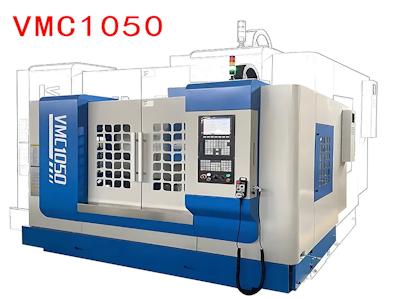
Добро пожаловать в мир современной деревообработки, где технологии преобразуют традиционные методы в высокоэффективные и точные процессы. В этой статье мы глубоко погрузимся в то, как инновационные ЧПУ-станки (станки с числовым программным управлением) раскрывают невероятный потенциал деревообработки, делая ее более продуктивной, точной и экономически выгодной. От истории и основ до передовых приложений и будущих тенденций — мы охватим все аспекты, чтобы вы могли полностью понять и использовать эти чудеса инженерии.
ЧПУ-станки представляют собой автоматизированные машины, которые управляются компьютерными программами для выполнения точных операций резки, фрезерования, сверления и других процессов обработки материалов. В деревообработке они стали незаменимыми инструментами, позволяя создавать сложные детали с микронной точностью, что ранее было невозможно при ручной обработке. История ЧПУ началась в середине XX века, и с тех пор технология эволюционировала от простых механических систем до интеллектуальных, подключенных к Интернету устройств, способных обучаться и адаптироваться.
Роль ЧПУ-станков в деревообработке невозможно переоценить. Они не только ускоряют производство, но и снижают человеческие ошибки, обеспечивая consistently высокое качество продукции. Это особенно важно в таких отраслях, как мебельная промышленность, строительство, и даже искусство, где детализация и точность имеют ключевое значение. Благодаря ЧПУ, мастера могут реализовывать самые смелые дизайнерские идеи, от intricate резьбы до крупномасштабных конструкций.
Деревообработка — одно из древнейших ремесел человечества, dating back thousands of years. Initially, it relied solely on hand tools like axes, saws, and chisels, requiring immense skill and time. The Industrial Revolution introduced powered machinery, such as circular saws and planers, which increased efficiency but still demanded significant manual intervention. The real transformation began with the advent of CNC technology in the 1950s, pioneered by John T. Parsons and MIT, who developed the first numerically controlled machine for manufacturing aircraft parts.
Over the decades, CNC machines evolved from punch-card systems to computer-based controls, with the integration of CAD (Computer-Aided Design) and CAM (Computer-Aided Manufacturing) software in the 1980s. This allowed for seamless translation of digital designs into physical objects. In woodworking, early CNC applications were limited to large industries, but by the 1990s, they became more accessible to small workshops and artisans. Today, with advancements in robotics, AI, and IoT, CNC woodworking machines are smarter, faster, and more versatile than ever, enabling mass customization and on-demand production.
Чтобы fully appreciate the potential of CNC machines, it's essential to understand their core components and how they operate. A typical CNC woodworking machine consists of several key parts: the controller (computer that runs the software), the drive system (motors and actuators that move the tool), the spindle (rotating component that holds cutting tools), the bed (base where the workpiece is secured), and various sensors for feedback and calibration.
The principle of operation is based on G-code, a programming language that instructs the machine on movements, speeds, and tool changes. The process starts with a digital design created in CAD software, which is then converted into G-code using CAM software. This code is uploaded to the CNC controller, which executes the commands precisely, moving the tool along multiple axes (typically 3 to 5 axes) to shape the wood. Advanced machines may include features like automatic tool changers, dust collection systems, and real-time monitoring, ensuring optimal performance and safety.
Использование ЧПУ-станков offers numerous advantages that unlock the full potential of woodworking. First and foremost is precision: CNC machines can achieve tolerances as tight as 0.001 inches, eliminating human error and ensuring consistent quality across batches. This is crucial for applications like joinery, where exact fits are necessary for structural integrity.
Efficiency is another major benefit. CNC automation reduces production time significantly; what might take days manually can be completed in hours. This leads to higher throughput and lower labor costs, as one operator can manage multiple machines. Additionally, CNC machines minimize material waste through optimized cutting paths, contributing to sustainability and cost savings.
Versatility is a key strength. With CNC, woodworkers can easily switch between different designs and materials without retooling, enabling small-batch production and customization. This flexibility allows businesses to respond quickly to market demands and offer personalized products, from custom furniture to architectural elements.
Safety is enhanced as well, since operators are less exposed to sharp tools and repetitive motions. Moreover, CNC machines can handle complex geometries that are impossible or impractical with manual methods, opening up new creative possibilities in art and design.
Современные ЧПУ-станки incorporate cutting-edge innovations that further elevate woodworking capabilities. One such technology is multi-axis machining, which allows for simultaneous movement along multiple directions, enabling the creation of intricate 3D shapes and undercuts. For example, 5-axis CNC machines can rotate the workpiece and tool in five different axes, providing unmatched flexibility for sculptural work or complex joinery.
Another innovation is the integration of IoT (Internet of Things) and AI. Smart CNC machines can connect to the cloud for remote monitoring, predictive maintenance, and data analytics. AI algorithms optimize cutting parameters in real-time based on material properties and tool wear, maximizing efficiency and prolonging machine life. Some advanced systems even feature machine learning, where the CNC improves its performance over time by analyzing past operations.
Additive manufacturing techniques, such as CNC routing combined with 3D printing, are emerging, allowing for hybrid processes that build up material where needed. Additionally, advancements in spindle technology, like high-speed spindles and laser engraving attachments, expand the range of applications to include fine detailing and marking.
Software improvements are also pivotal. Modern CAD/CAM suites offer user-friendly interfaces, simulation tools to visualize the machining process, and cloud-based collaboration, making it easier for designers and manufacturers to work together seamlessly.
Чтобы illustrate the transformative impact of CNC woodworking, let's explore some real-world applications. In the furniture industry, companies like IKEA use CNC machines to produce standardized parts efficiently, while custom furniture makers leverage CNC for bespoke designs, such as ornate headboards or ergonomic chairs that fit specific client needs.
In construction, CNC technology is used for prefabricated wooden components, like wall panels and roof trusses, which are manufactured with precision off-site and assembled quickly, reducing construction time and costs. For instance, in modular housing, CNC-cut pieces ensure perfect fits, enhancing energy efficiency and structural soundness.
Art and sculpture have been revolutionized by CNC. Artists can create large-scale wooden installations with intricate patterns that would be nearly impossible by hand. A famous example is the work of designers who use CNC to produce wooden puzzles, musical instruments, or even replicas of historical artifacts with astounding accuracy.
Small businesses and hobbyists also benefit. With affordable desktop CNC routers, individuals can start woodworking ventures from their garages, producing items like signs, toys, or home decor, and selling them online. This democratization of technology fosters innovation and entrepreneurship.
Выбор правильного ЧПУ-станка depends on various factors, including your budget, production volume, material types, and desired capabilities. For beginners or small workshops, a benchtop CNC router with 3-axis movement might suffice, offering a balance of affordability and functionality. These machines are ideal for light-duty tasks like engraving or cutting softwoods.
For medium to large-scale production, industrial-grade CNC machines with 4 or 5 axes are recommended. They handle harder woods and larger workpieces, and often come with features like automatic tool changers and enhanced durability. Consider the spindle power: higher horsepower allows for faster cutting and better performance with dense materials.
Software compatibility is crucial. Ensure the CNC machine supports industry-standard file formats and integrates well with your existing CAD/CAM software. Additionally, look for machines with good customer support, training resources, and warranty coverage.
Budget-wise, prices range from a few thousand dollars for entry-level models to over $100,000 for advanced systems. Factor in hidden costs like maintenance, tooling, and software subscriptions. It's wise to start with a machine that matches your current needs but has room for expansion as your business grows.
Lastly, consider safety features and ease of use. Machines with enclosures, emergency stops, and user-friendly interfaces reduce the learning curve and minimize risks, especially for those new to CNC technology.
Будущее деревообработки with CNC machines looks incredibly promising, driven by ongoing technological advancements. One major trend is the rise of sustainable practices. CNC machines already reduce waste through optimized cutting, but future innovations may include the use of recycled materials or bio-based composites, aligning with global environmental goals.
Automation will continue to deepen, with fully automated woodworking cells that integrate CNC machining with robotics for material handling and assembly. This could lead to "lights-out" factories where production runs unattended, further boosting efficiency.
Personalization and on-demand manufacturing will become more prevalent. With advancements in AI and cloud computing, CNC systems will offer even greater customization options, allowing consumers to design their own products online and have them manufactured locally, reducing shipping times and carbon footprints.
Another exciting area is the convergence of digital and physical worlds through augmented reality (AR) and virtual reality (VR). Imagine using AR glasses to visualize a CNC project in real-time before cutting, or VR simulations for training operators without physical risk.
Overall, the integration of CNC technology with other emerging fields like nanotechnology or smart materials could open up entirely new applications, such as wood-based electronics or self-healing wooden structures. The potential is limitless, and those who embrace these changes will be at the forefront of the woodworking revolution.
В заключение, инновационные ЧПУ-станки truly unlock the vast potential of woodworking by combining precision, efficiency, versatility, and safety. Whether you're a seasoned professional or a budding enthusiast, embracing CNC technology can transform your craft, enabling you to create works of art, build functional structures, or grow your business in ways previously unimaginable.
The journey from manual labor to automated excellence has been remarkable, and the future holds even greater possibilities. By staying informed about the latest trends and choosing the right equipment, you can harness the power of CNC to achieve new heights in woodworking. So, take the leap, invest in innovation, and watch as your creative and productive potential flourishes. Remember, in the world of modern woodworking, the only limit is your imagination—and with CNC, that imagination can become reality.
Спасибо за чтение! Если у вас есть вопросы или вы хотите поделиться своим опытом, не стесняйтесь обращаться. Удачи в ваших деревообрабатывающих проектах!
 1388xx888xx