Добро пожаловать Shandong Yijin Cnc Machine Tool Co., Ltd. Веб - сайт


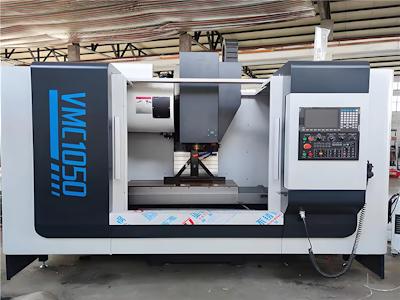
В современном мире производство сталкивается с беспрецедентными вызовами: глобализация рынков, растущие ожидания потребителей, ужесточение экологических норм и необходимость постоянной инновации. В этом контексте контроль качества становится не просто функциональным элементом, а ключевым драйвером успеха. Устройства и системы контроля качества, такие как автоматизированные инспекционные машины, датчики и программное обеспечение для анализа данных, преобразуют традиционные производственные процессы, делая их более эффективными, надежными и конкурентоспособными. Эта статья исследует, почему контроль качества является потрясающим устройством для производства, анализируя его эволюцию, преимущества, технологические инновации и будущие тенденции. Мы углубимся в то, как эти системы не только предотвращают дефекты, но и способствуют устойчивому развитию, снижению затрат и повышению удовлетворенности клиентов.
Контроль качества имеет глубокие корни в истории промышленности. В древние времена, например, в ремесленных гильдиях, качество продукции обеспечивалось через ручной осмотр и мастерство отдельных artisans. С началом промышленной революции в XVIII веке массовое производство потребовало более стандартизированных подходов. Фигуры like Генри Форд внедрили основные принципы контроля, такие как проверка на конвейере, но это часто было реактивным и основанным на выборке.
В XX веке произошел значительный сдвиг с появлением статистических методов. Пионеры like Уолтер Шухарт и Уильям Эдвардс Деминг разработали контрольные карты и концепции Total Quality Management (TQM), которые подчеркивали профилактику дефектов, а не их обнаружение постфактум. Японские компании, такие как Toyota, adopted эти идеи, leading to революционным улучшениям в производительности и качестве. Это laid the foundation для современных систем, где контроль качества интегрирован в каждый этап производства.
С advent компьютеров и цифровых технологий в конце XX и начале XXI веков, контроль качества трансформировался из ручного процесса в высокоавтоматизированный. Датчики, машинное зрение, IoT (Интернет вещей) и искусственный интеллект теперь позволяют реальный мониторинг и анализ, making возможным достижение near-zero дефектов. Эта эволюция демонстрирует, как контроль качества evolved from простой inspection к sophisticated, data-driven системе, essential для современного производства.
Одним из наиболее значительных преимуществ advanced контроля качества является увеличение общей эффективности оборудования (OEE). Автоматизированные системы can continuously monitor производственные линии, identifying bottlenecks, отклонения и потенциальные сбои в реальном времени. Например, в automotive industry, машины vision systems inspect детали на конвейере со скоростью thousands per hour, reducing downtime и minimizing переработки. Это leads to higher throughput и lower operational costs. Исследования показывают, что компании, внедряющие robust контроль качества, могут улучшить OEE на 10-20%, directly impacting profitability.
Кроме того, контроль качества facilitates lean manufacturing principles, такие как just-in-time production. By ensuring that only conforming products move to next stages, оно eliminates waste, связанное с браком и переделками. This not only saves resources но и enhances agility, allowing companies to respond quickly to market changes. In essence, контроль качества acts as a catalyst for operational excellence, transforming production into a smooth, efficient process.
Качество продукции directly influences customer satisfaction и loyalty. In today's competitive landscape, consumers expect flawless products, и даже minor defects can lead to recalls, reputational damage, и loss of market share. Контроль качества ensures that products meet or exceed specifications, reducing variability и enhancing consistency. For instance, in food industry, sensors monitor temperature, humidity, и composition during processing, guaranteeing safety и taste.
Moreover, данные from контроль качества systems can be used для continuous improvement. Through tools like statistical process control (SPC), companies can analyze trends, identify root causes of issues, и implement corrective actions. This proactive approach not only prevents defects но и fosters innovation, as insights from quality data can lead to product enhancements. Ultimately, высокое качество builds trust with customers, leading to repeat business и positive word-of-mouth, which are invaluable assets in any industry.
Хотя внедрение advanced контроля качества требует initial investment, оно offers substantial cost savings в long run. By catching defects early, оно reduces scrap, rework, и warranty claims. For example, in electronics manufacturing, automated inspection systems detect soldering defects before assembly, avoiding costly repairs или recalls. Studies indicate that for every dollar spent on prevention, companies can save up to $10 in failure costs.
Additionally, контроль качества contributes to better resource utilization. Optimized processes mean less energy consumption, reduced material waste, и lower labor costs due to automation. This not only improves profitability но и supports sustainability goals. In summary, контроль качества is a strategic investment that pays dividends through enhanced efficiency, reduced risks, и improved bottom line.
Автоматизация revolutionized контроль качества by enabling high-speed, high-precision inspection. Robotic systems equipped with cameras, sensors, и AI algorithms can perform tasks that are tedious или dangerous for humans. In automotive sector, robots inspect weld seams, paint quality, и assembly alignment with micron-level accuracy. These systems operate 24/7, ensuring consistent quality without fatigue.
Key technologies include machine vision, which uses cameras и image processing to detect defects, и coordinate measuring machines (CMMs) for dimensional analysis. The integration of IoT allows these devices to communicate with each other, creating a networked environment where data flows seamlessly for real-time decision-making. This level of automation not only enhances accuracy но и frees up human workers for more value-added activities, such as data analysis и process optimization.
Искусственный интеллект (AI) и машинное обучение (ML) are game-changers in контроль качества. These technologies can analyze vast amounts of data to identify patterns, predict failures, и adapt to changing conditions. For instance, in pharmaceutical industry, ML algorithms analyze production data to predict quality deviations before they occur, enabling preventive measures.
AI-powered systems can also learn from historical data to improve inspection accuracy over time. They can distinguish between acceptable variations и actual defects, reducing false positives и negatives. This leads to more reliable quality assurance и faster response times. As AI continues to evolve, we can expect even more sophisticated applications, such as generative AI for designing optimal quality control protocols, further solidifying its role as a потрясающее устройство для производства.
IoT connects physical devices to the internet, allowing continuous monitoring и data collection. In производство, IoT sensors track parameters like temperature, pressure, vibration, и humidity throughout the production process. This data is streamed to cloud platforms, where it is analyzed using big data analytics tools.
The insights gained from IoT enable predictive maintenance, where equipment issues are addressed before they cause downtime или quality problems. For example, in aerospace industry, IoT sensors on machinery predict when components need replacement, ensuring uninterrupted production и high quality. Big data analytics also facilitate trend analysis и benchmarking, helping companies stay ahead of quality standards и regulatory requirements. This interconnected ecosystem makes контроль качества more dynamic и responsive.
В automotive industry, контроль качества is critical due to safety и reliability concerns. Companies like Tesla и Toyota employ advanced systems, including automated optical inspection (AOI) и 3D scanning, to ensure every vehicle meets stringent standards. For instance, Tesla's Gigafactories use robots with vision systems to inspect battery cells, reducing defects by over 90%. This not only enhances product quality но и accelerates production rates, demonstrating how контроль качества drives innovation и competitiveness.
In food и pharmaceutical sectors, контроль качества is paramount for safety и compliance. Regulations like FDA's Current Good Manufacturing Practices (cGMP) require rigorous monitoring. Companies use technologies such as hyperspectral imaging to detect contaminants in food, или chromatography systems to ensure drug purity. A case study from Nestlé shows that implementing IoT-based quality control reduced product recalls by 30%, saving millions и protecting brand reputation. These examples highlight how контроль качества is indispensable for industries where human health is at stake.
The electronics industry relies on precision контроль качества to manage complex products like smartphones и chips. Companies like Samsung use AI-driven inspection to detect microscopic defects in semiconductors, where even a tiny error can render a device useless. By integrating quality control into the design phase, they achieve higher yields и faster time-to-market. This approach has enabled the industry to keep pace with Moore's Law, continually delivering more powerful devices at lower costs.
The future of контроль качества lies in deeper integration with Industry 4.0, characterized by cyber-physical systems, cloud computing, и autonomous decision-making. Smart factories will feature self-optimizing production lines where quality control is fully automated и adaptive. For example, digital twins—virtual replicas of physical systems—will simulate и optimize quality processes in real-time, reducing trial-and-error.
This evolution will require advancements in connectivity, security, и interoperability. Standards like OPC UA will facilitate seamless data exchange between devices, enabling a holistic view of quality across the supply chain. However, challenges such as cybersecurity risks и the need for skilled workforce must be addressed to fully realize this potential.
Контроль качества will increasingly focus on sustainability. By minimizing waste и optimizing resource use, it contributes to circular economy principles. Technologies like AI can help design products for durability и recyclability, aligning quality with environmental goals. For instance, in packaging industry, quality control ensures materials meet eco-friendly standards, reducing plastic waste.
Moreover, regulatory pressures will drive adoption of green quality metrics. Companies will need to balance quality with carbon footprint, leading to innovations in energy-efficient inspection systems. This trend underscores that контроль качества is not just about product excellence but also about responsible production.
As supply chains become global, контроль качества must adapt to diverse standards и regulations. Harmonization of quality standards, such as ISO 9001, will be crucial for interoperability. Digital platforms will enable real-time quality audits across borders, ensuring consistency regardless of location.
Challenges include managing cultural differences и ensuring data privacy. However, the benefits of global quality alignment—such as reduced trade barriers и enhanced consumer trust—make this a worthwhile pursuit. The future will see more collaborative efforts between industries и regulators to create a unified framework for quality assurance.
В заключение, контроль качества является truly потрясающим устройством для производства, transforming industries through enhanced efficiency, improved product quality, и cost savings. Its evolution from manual inspection to AI-driven systems demonstrates its critical role in modern manufacturing. As technology advances, контроль качества will continue to innovate, integrating with Industry 4.0 и addressing global challenges like sustainability. Companies that embrace these advancements will not only thrive competitively but also contribute to a better, more reliable world. Investing in контроль качества is not an option but a necessity for any forward-thinking production enterprise.
Спасибо за чтение! Для дальнейшего изучения, рассмотрите ресурсы от organizations like ASQ (American Society for Quality) или participation в industry conferences.
 1388xx888xx